The answer depends on the type of veneer you receive. Traditional porcelain veneers require the removal of a small layer of tooth enamel before placement, which means that the process is irreversible; your teeth will always need to be covered by a veneer or crown going forward. That said, veneers themselves are not a one-time-only treatment. When they eventually wear down, chip, or no longer meet your aesthetic goals, they can absolutely be replaced with new ones.
Prepless veneers, on the other hand, involve no modification to the natural tooth surface, making them fully reversible. If your situation allows for this option, Dr. Naim may recommend prepless veneers as a more flexible solution.
Replacement is a normal part of the veneer lifecycle. When the time comes, Dr. Naim and her team will carefully remove the existing veneers and work with their skilled dental ceramicists to craft new custom shells that restore your smile's appearance. Whether you're refreshing a single tooth or your entire smile, the replacement process is straightforward and designed to match your current aesthetic goals as closely as possible.
Porcelain veneers are an excellent solution for patients with a range of minor cosmetic concerns, including tooth discoloration, chips or fractures, uneven or irregularly shaped teeth, small gaps, and mild misalignments. If any of these issues affect your confidence in your smile, veneers may be worth exploring.
However, candidacy is not universal. Because veneers are bonded to the surface of your teeth, a healthy foundation is essential. Patients with active gum disease, significant tooth decay, or structurally weakened teeth are generally not good candidates until those underlying issues are addressed. Similarly, patients who grind or clench their teeth — a condition called bruxism — face a higher risk of cracking or chipping their veneers and may need to consider a night guard or alternative treatments first.
The best way to determine whether you're a candidate is through a consultation with Dr. Naim. During that visit, she will thoroughly assess the health of your teeth and gums, discuss your goals, and help determine whether traditional veneers, prepless veneers, or an alternative cosmetic treatment would best serve your needs. No two smiles are the same, and Dr. Naim's personalized approach ensures that your treatment plan is tailored specifically to you.
Both veneers and crowns can dramatically improve the appearance of your smile, but they serve different purposes and involve different levels of tooth preparation. Understanding the distinction helps you have an informed conversation with Dr. Naim about which option is right for you.
Veneers are thin, custom-crafted shells of porcelain that cover only the front-facing surface of a tooth. They are primarily a cosmetic solution, designed to address issues like staining, minor chips, small gaps, and shape irregularities. They also require minimal alteration of the tooth structure, and none at all in the case of prepless veneers.
Crowns, by contrast, encase the entire visible tooth above the gumline. They require significantly more preparation, as a larger portion of the natural tooth must be reduced to accommodate the crown. Crowns are typically recommended when a tooth has been substantially damaged, has undergone a root canal, or needs structural reinforcement in addition to cosmetic improvement.
In short, veneers are the preferred choice when a tooth is healthy but aesthetically imperfect, while crowns are better suited for teeth that need both cosmetic and functional restoration. Dr. Naim will help you understand which approach aligns with your dental health and smile goals.
With proper care, porcelain veneers typically last between 10 and 20 years before needing replacement, though many patients enjoy their results even longer. The longevity of your veneers depends on several key factors, starting with your daily habits.
Oral hygiene plays a significant role. Brushing twice daily, flossing regularly, and attending routine cleanings at Brentwood Dentistry help protect both the veneers and the underlying teeth from decay and gum issues. Using a non-abrasive toothpaste is also recommended to avoid dulling the porcelain surface over time.
Lifestyle choices matter as well. Biting into very hard foods, using your teeth as tools, or regularly consuming staining substances like coffee, red wine, and tobacco can all reduce the lifespan and diminish the appearance of your veneers. Patients who grind or clench their teeth place added stress on veneers, making a custom night guard an important protective investment.
Finally, the quality of the initial placement is a major determinant of how long veneers last. At Brentwood Dentistry, Dr. Naim collaborates with highly skilled dental ceramists to ensure that every veneer is precisely crafted and properly bonded, giving you a beautiful, durable result you can count on for years to come.


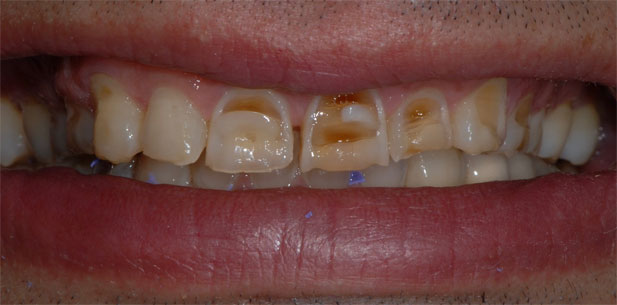
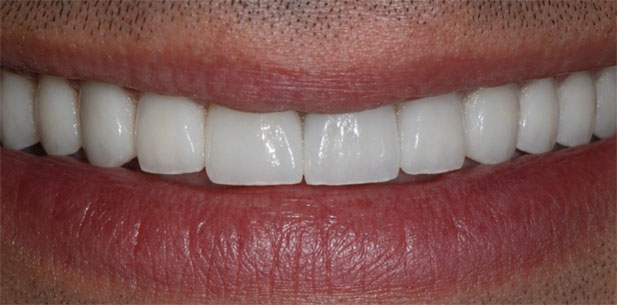
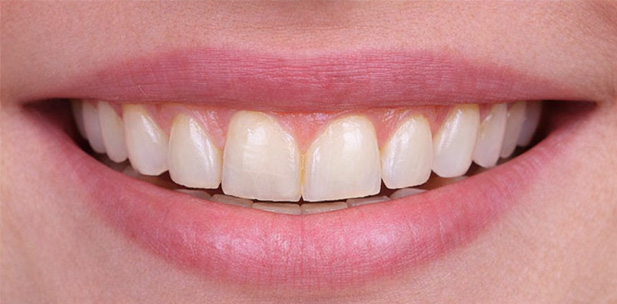
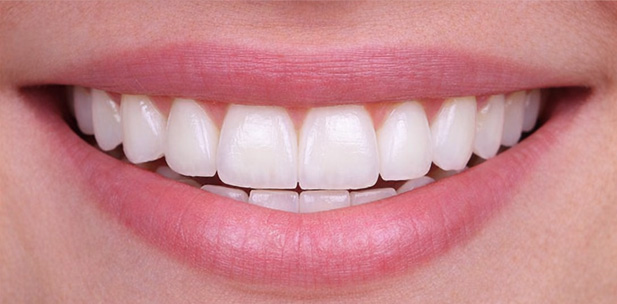
 If you suffer from minor aesthetic dental issues and wish to improve the overall appearance of your smile, porcelain veneers might be the right choice for you. Porcelain veneers are able to correct a wide variety of dental imperfections, including: